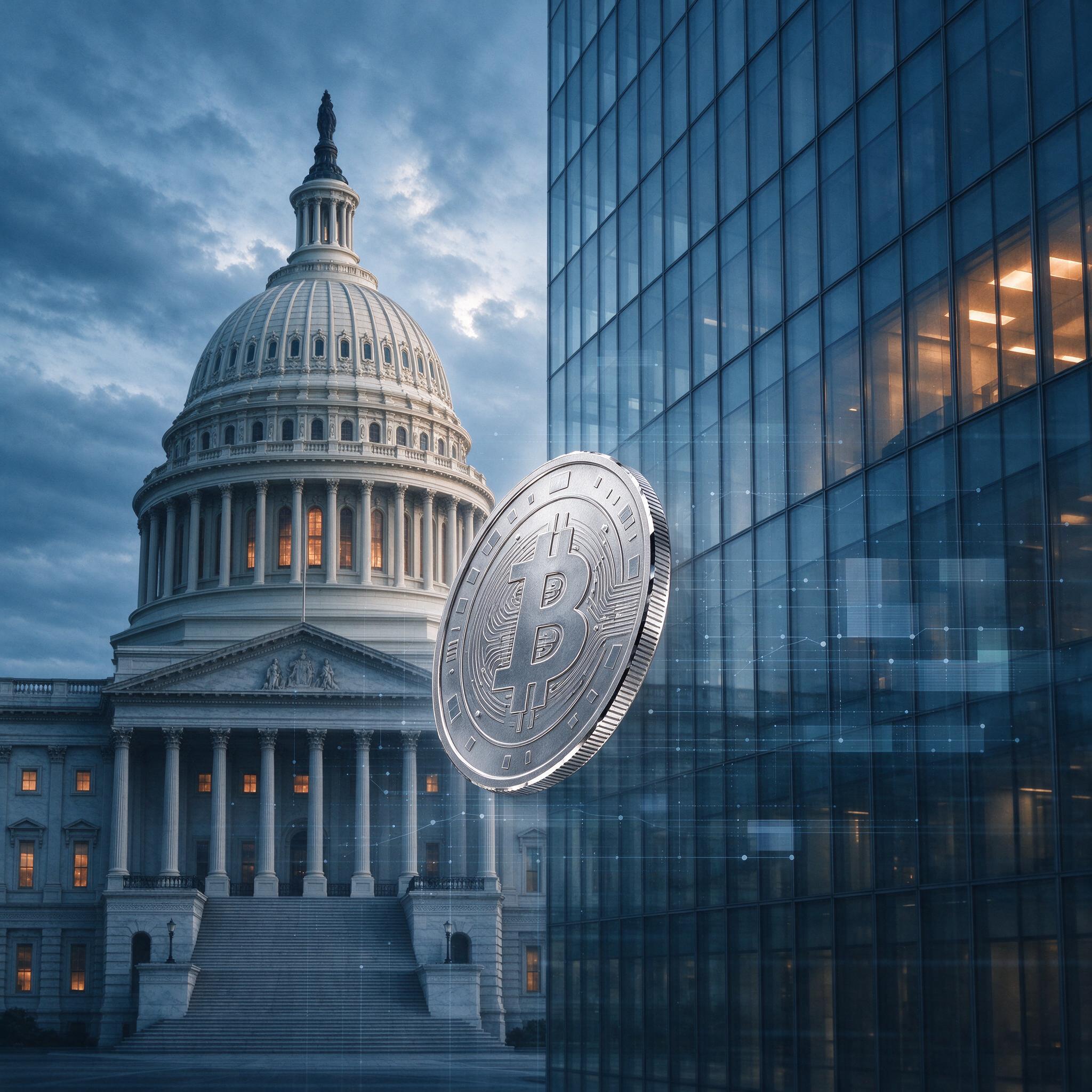
Trust in Crypto Platforms Surges Across Europe as MiCA Rules Take Hold
New data reveals European investors increasingly prefer regulated crypto exchanges under the continent's landmark MiCA framework.
European cryptocurrency users are shifting their trading activity toward platforms that comply with the Markets in Crypto-Assets (MiCA) regulation, a trend that industry observers say signals a maturing market. Unlike earlier years when traders flocked to any exchange offering low fees or high leverage, the current wave of new registrations and volume growth is concentrated on firms that have secured licenses under the pan-European rulebook.
How MiCA Shapes User Behavior
Several factors explain the growing preference for regulated venues:
- Legal protection: MiCA requires licensed platforms to segregate client assets, maintain robust cybersecurity, and follow clear disclosure standards, giving users recourse in case of disputes.
- Banking integration: Regulated exchanges now offer seamless euro on-ramps and off-ramps, which many unregulated competitors cannot provide due to compliance costs.
- Long-term confidence: Retail and institutional investors view MiCA authorization as a quality signal that reduces the risk of sudden shutdowns or hacks.
“I used to keep my coins on any exchange that had the cheapest fees,” said a Paris-based trader who asked to remain anonymous. “Now I only move funds to platforms that show their MiCA license. It’s not worth the stress otherwise.”
Industry Impact
The shift has been noticeable in trading volumes. Several MiCA-compliant exchanges reported a 30–50% increase in European user sign-ups during the first quarter of 2025 compared to the previous year. Meanwhile, unregulated offshore platforms have seen a steady decline in European traffic, according to data from similarweb analytics.
Market analysts suggest that the trend will accelerate as more national regulators begin active oversight under the MiCA framework. The European Securities and Markets Authority has already flagged several unauthorized firms, prompting users to move their funds to safer alternatives.