Silicon Valley’s Favorite Candidate Quietly Drops Crypto Crusade in State Race
Vivek Ramaswamy’s gubernatorial campaign barely mentions digital assets, a stark contrast to his presidential buzz.
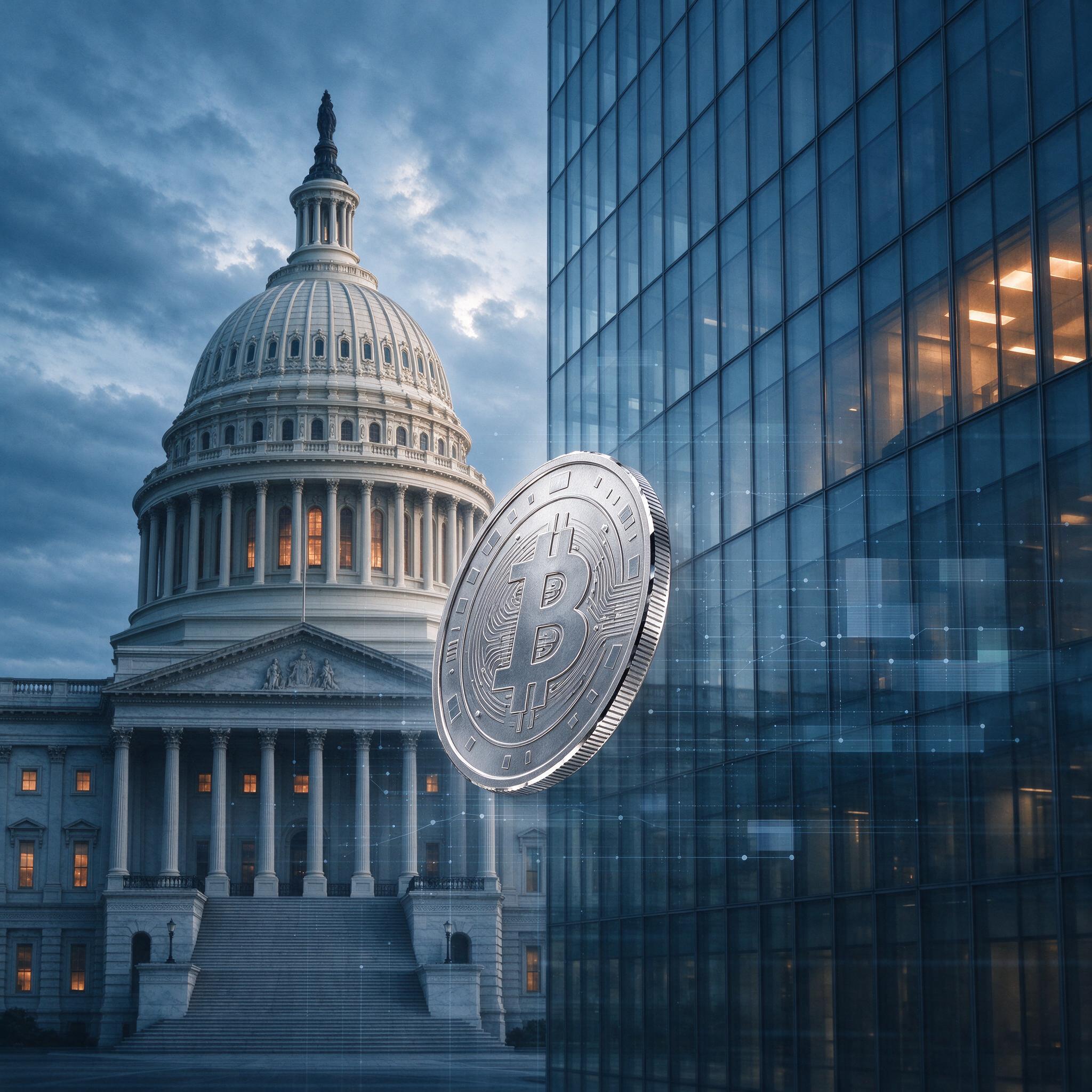
When Vivek Ramaswamy stormed onto the national stage last year, his stump speeches crackled with crypto jargon. He promised a federal framework that would turn the United States into “the world’s crypto capital” and railed against SEC overreach. Now, as he runs for governor, that digital-asset fire has all but gone out.
A Strategic Pivot to Local Bread-and-Butter
In dozens of recent state-level appearances, Ramaswamy has focused on property taxes, school choice, and streamlining state permits—topics that resonate with in-state voters but have little to do with blockchain policy. Crypto is rarely mentioned, even in passing. The shift suggests a deliberate calculation that digital assets are not a winning issue in a state contest where voters care more about roads and jobs.
- National vs. local audiences: Crypto policy is a niche concern that draws attention on a presidential debate stage but rarely swings a gubernatorial race.
- Avoiding controversy: After the collapse of several high-profile exchanges, public sentiment on crypto has cooled, making loud advocacy a potential liability.
- Allocating limited oxygen: Campaign bandwidth is finite; speaking about stablecoins doesn’t fill potholes or lower utility bills.
The muted crypto messaging does not mean Ramaswamy has abandoned his beliefs. During a private fundraiser, he told donors he still supports “innovation-friendly” rules but that the governor’s office is about execution, not ideology. That stance may disappoint crypto enthusiasts who saw him as a national standard-bearer, but it reflects the reality that state-level politics demands different priorities.
“If you run for president, you have the luxury of painting a broad, aspirational vision,” said a political strategist familiar with the campaign. “If you run for governor, you have to answer for every bridge, every budget line—and that leaves less room for abstract blockchain talk.”
The implications for the crypto industry are subtle but significant. Ramaswamy was once the most vocal pro-crypto voice in the Republican primary; his retreat signals that even friendly politicians may downplay digital assets when facing a general electorate. For advocates, the lesson is clear: winning state offices on a crypto-first platform remains an uphill climb.